


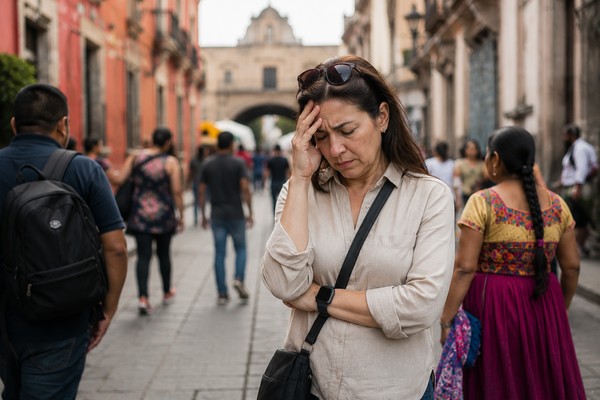
Culture Shock in Mexico: The Hidden Challenge That Can Make or Break Your Relocation
Most people spend months preparing for the practical side of moving abroad. They research visas, neighborhoods, healthcare, schools, and housing. But very few prepare for what often becomes the hardest part of relocation: the emotional adjustment.
Culture shock is one of the most common reasons people struggle after moving to another country. And ironically, it often affects those who thought they were the most prepared. Because understanding a country intellectually is very different from living inside it every day.
What Culture Shock Actually Looks Like
Many people imagine culture shock as a dramatic event. In reality, it usually arrives quietly. At first, everything feels exciting: new food, new neighborhoods, new experiences, and a sense of adventure.
But then, small frustrations begin accumulating. Maybe a simple task takes longer than expected. Maybe a service works differently than back home. Maybe communication feels less direct, more indirect, or simply unfamiliar.
Individually these moments seem insignificant. Together, they can become exhausting.
The Four Stages of Culture Shock
Most relocations follow a surprisingly predictable pattern.
The Honeymoon Phase
Everything feels fascinating: the architecture, the food, the weather, the people.
Many newcomers begin wondering why they did not move sooner.
The Frustration Phase
This is where reality arrives. You start noticing differences instead of similarities.
Daily inconveniences feel larger. Simple tasks suddenly require more energy.
This is the stage where many people begin questioning their decision.
The Adjustment Phase
Gradually, routines begin forming. You learn how things work. The unfamiliar becomes familiar.
Problems that once seemed overwhelming become manageable.
The Integration Phase
Eventually, you stop comparing everything to your home country. You develop your own version of normal.
This is where many people finally begin feeling at home.

Why Mexico Can Be Especially Surprising
One reason culture shock catches foreigners off guard in Mexico is that the country often feels familiar at first. Many visitors assume: "I've vacationed here before. I already know Mexico."
Living somewhere is completely different from visiting. Vacation Mexico and everyday Mexico are not the same experience.
Suddenly you are navigating:
- Healthcare
- Banking
- Bureaucracy
- Contractors
- Schools
- Taxes
- Long-term relationships
The deeper you become involved in daily life, the more cultural differences emerge.
The Most Common Challenges Expats Face
The specific triggers vary from person to person. Some struggle with communication styles. Others struggle with bureaucracy or the way rules are understood and followed. Others miss family, familiar routines, or social circles.
Some common examples include:
- Feeling isolated despite being surrounded by friendly people.
- Becoming frustrated with different approaches to time and planning.
- Missing favorite foods, services, or conveniences.
- Feeling exhausted by constantly making decisions.
- Comparing everything to "how things worked back home."
These feelings are normal. Experiencing them does not mean you made a mistake.
Families Experience Culture Shock Differently
One of the biggest mistakes relocating families make is assuming everyone adapts at the same pace. Children often adapt faster than adults. Spouses frequently experience culture shock differently than the employee whose relocation triggered the move.
One family member may feel excited while another feels lonely or overwhelmed. This is why successful relocation is rarely an individual process. It is a family process.
Why Community Matters More Than Most People Expect
One of the strongest predictors of successful adaptation is surprisingly simple: connection. People who build relationships tend to adapt faster.
That does not necessarily mean joining large expat groups. Often it means:
- Meeting neighbors
- Developing local friendships
- Taking classes
- Finding hobbies
- Volunteering
- Joining clubs
- Participating in community events
The goal is not simply living in Mexico. The goal is building a life in Mexico. There is a difference.
Why Querétaro Helps Ease the Transition
This is one reason many foreigners adapt particularly well to Querétaro.
The city offers a rare combination of:
- Modern infrastructure
- International communities
- Mexican culture
- Safety
- Manageable size
It feels international enough to reduce overwhelm while remaining authentically Mexican. That balance can make cultural adaptation significantly smoother. Especially for families and first-time expats.
Final Thoughts
Culture shock is not a sign that something has gone wrong. It is often a sign that you are genuinely engaging with a new culture.
The people who thrive after relocating are usually not the people who avoid culture shock. They are the people who understand it, anticipate it, and work through it. Because successful relocation is not just about moving your belongings. It is about creating a sense of belonging.
Where Nexterra Comes In
At Nexterra, we help individuals, families, retirees, and professionals navigate both the practical and emotional sides of relocation.
From housing and schools to healthcare and cultural integration, our goal is simple: help you build a life in Mexico that feels sustainable, rewarding, and truly your own.
Next steps:
Moving to Mexico Is Just the Beginning: How to Truly Settle In and Thrive
Moving to Mexico Is Just the Beginning: How to Truly Settle In and Thrive
10 Mistakes Expats Make When Moving to Mexico (And How to Avoid Them)